
Back to ResourcesObstetrics & Gynaecology
Empowering Women: The Essential Role of Regular Gynecological Check-Ups
Health education · AI-assisted
Dr. Neeraj Borkar•October 29, 2026•0 views
Understanding Gynecological Check-Ups
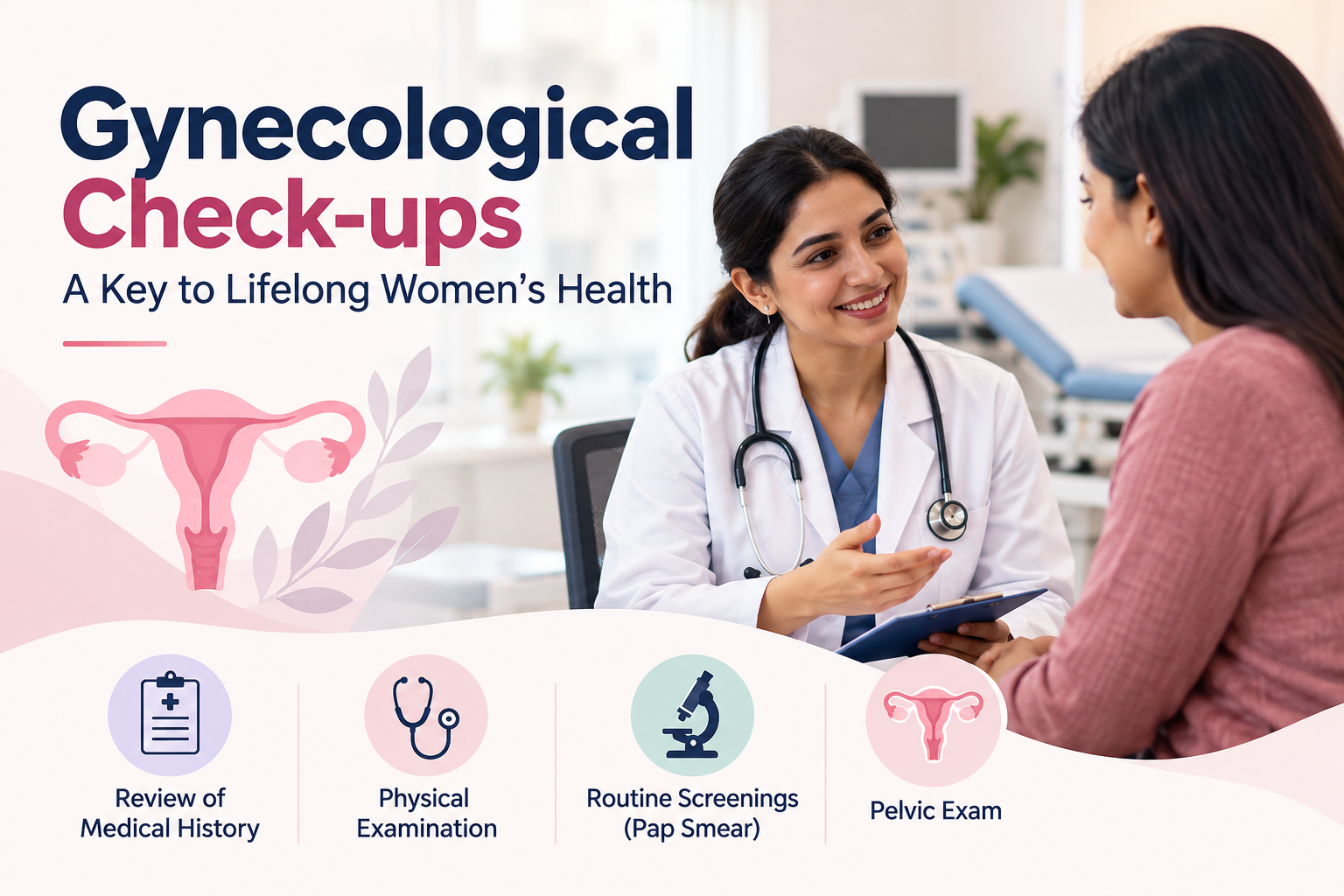
Gynecological check-ups are a vital component of women's healthcare, focusing on the reproductive system's health and overall well-being. These check-ups are designed to detect potential health issues early, allowing for timely intervention and management. A typical gynecological check-up includes a review of medical history, a physical examination, and routine screenings such as Pap smears and pelvic exams. These components help in identifying any abnormalities or changes that might require further investigation.
Why Regular Check-Ups Matter
Regular gynecological check-ups play a crucial role in preventive care by enabling early detection of health issues that might otherwise go unnoticed. Conditions such as Polycystic Ovary Syndrome (PCOS), uterine fibroids, and endometriosis are commonly identified during these visits. Early detection of such issues can significantly impact long-term reproductive health and overall wellness. By addressing these concerns promptly, women can maintain better health outcomes and enhance their quality of life.
The Process of Diagnosis: What to Expect
During a gynecological check-up, patients can expect a thorough and respectful examination process. The visit typically begins with a discussion of medical history and any current symptoms. This is followed by a physical examination, including a pelvic exam, to assess reproductive health. Tests such as Pap smears, which screen for cervical cancer, and other relevant screenings are conducted as needed. Once the results are available, Dr. Neeraj Borkar will explain them clearly, outlining any necessary next steps or follow-up tests.
Diverse Treatment Options Emerging from Check-Ups
When conditions are identified during check-ups, a range of treatment options becomes available. Dr. Borkar specializes in minimally invasive procedures, offering benefits such as reduced recovery time and lower risk of complications. For example, laparoscopic surgery is a common approach for treating ovarian cysts and fibroids. Other treatment pathways include hormonal therapy for endometriosis and fertility-enhancing procedures like intrauterine insemination (IUI). Dr. Borkar's expertise ensures that each treatment plan is tailored to the patient's specific needs.
Patient-Centric Care: A Holistic Approach
Dr. Borkar's practice is built on the foundation of individualized patient care, emphasizing the importance of understanding each patient's unique circumstances. Communication is key, and Dr. Borkar ensures that patients are fully informed about their health and treatment options. This holistic approach incorporates lifestyle and preventive strategies, empowering women to take an active role in their health management.
Long-term Health Outlook: Beyond Check-Ups
Regular gynecological check-ups are just one part of a comprehensive health strategy. Ongoing care and monitoring are essential for maintaining long-term health. Dr. Borkar encourages women to engage actively in their health journey, providing resources for continued support and education. By prioritizing regular check-ups and embracing a proactive approach to health, women can achieve better outcomes and enjoy a healthier future.
To know more, consult a specialist or book an appointment to discuss your options.
Clinic Location & Consultation Information
## Visit Borkar Multispeciality Clinic
WhatsApp: 7448094626
Email: neerajborkar12@gmail.com
FAQs: Clear Answers for Patients
Q1.1. How often should a woman have a gynecological check-up?
The frequency depends on your age, medical history, symptoms, and risk factors. Women should seek regular preventive healthcare and consult a gynecologist about the appropriate schedule for cervical cancer screening and other tests. If you experience irregular periods, pelvic pain, abnormal vaginal discharge, or unusual bleeding, seek medical advice without waiting for your next routine check-up.
Q2.2. What happens during a gynecological check-up?
A gynecological check-up usually includes a review of your medical and menstrual history, discussion of reproductive health concerns, and a physical examination when indicated. Depending on your age, symptoms, and risk factors, your gynecologist may recommend a pelvic examination, Pap smear or HPV testing, and other investigations such as an ultrasound. Not every woman requires every test at every visit
Q3.3. At what age should a woman start visiting a gynecologist?
A first gynecological visit can be helpful during adolescence, particularly for concerns about periods, puberty, menstrual pain, or reproductive health. An internal pelvic examination is not routinely necessary for every adolescent. Women planning pregnancy, experiencing menstrual irregularities, or developing gynecological symptoms should consult a gynecologist as appropriate. Regular preventive care should continue throughout adulthood and after menopause.