
Back to ResourcesMenstrual Health
Understanding Menstrual Disorders: Causes, Symptoms, and Treatment
Health education · AI-assisted
Dr. Neeraj Borkar•November 2, 2026•0 views
What Are Menstrual Disorders?
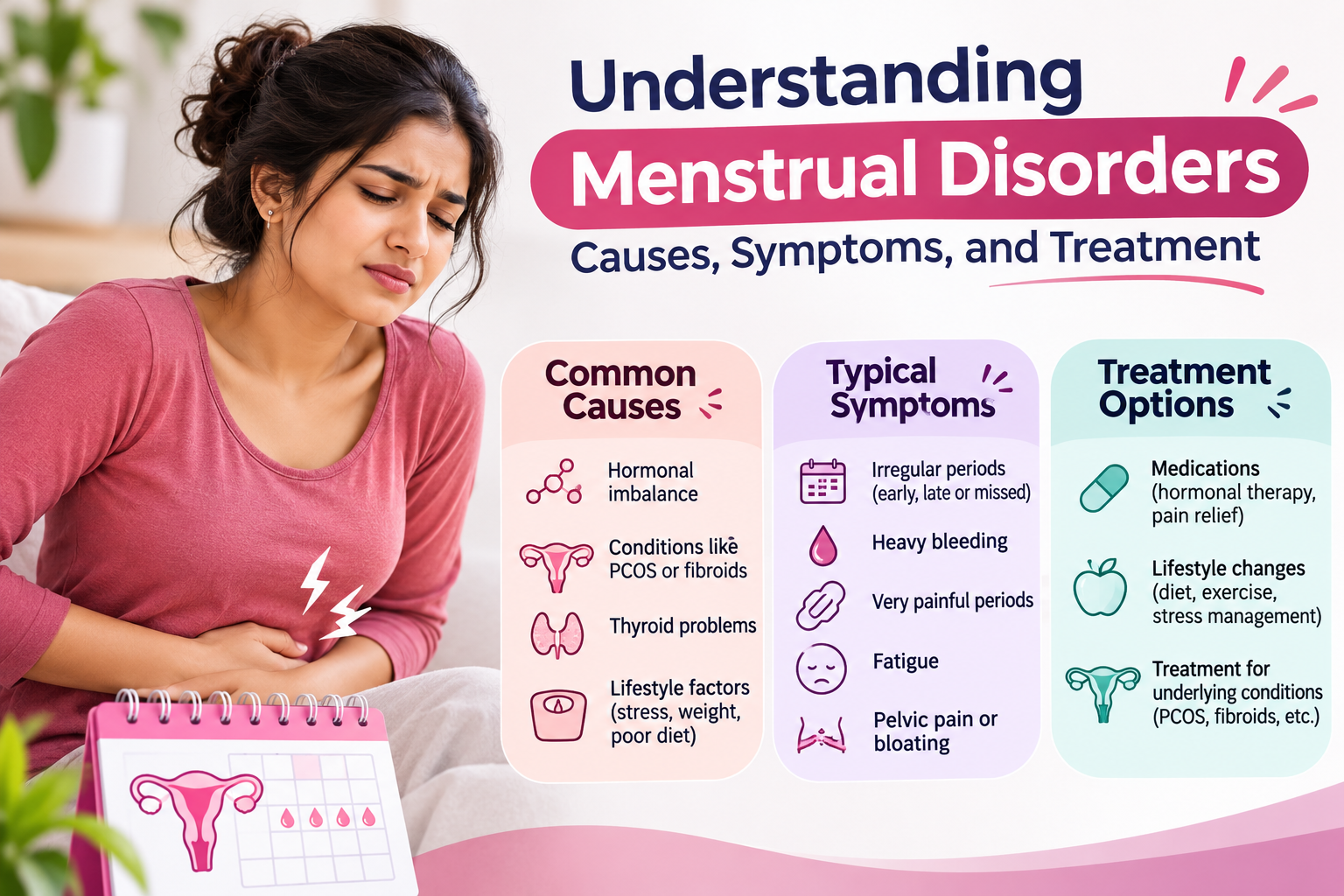
Menstrual disorders encompass a variety of conditions that affect the regularity, volume, and pain of menstrual cycles. They can manifest as heavy bleeding (menorrhagia), infrequent periods (oligomenorrhea), painful menstruation (dysmenorrhea), or the absence of periods (amenorrhea). These disorders can disrupt daily life and may be indicative of underlying health issues.
Causes of Menstrual Disorders
The causes of menstrual disorders are diverse and can include hormonal imbalances, uterine abnormalities, lifestyle factors, and medical conditions such as Polycystic Ovary Syndrome (PCOS) and thyroid disorders. Stress, significant weight changes, and excessive exercise can also impact menstrual health. Identifying the underlying cause is crucial for effective management.
Symptoms to Watch For
Symptoms of menstrual disorders vary depending on the type of disorder. Common symptoms include irregular menstrual cycles, excessive bleeding, severe menstrual pain, and premenstrual syndrome (PMS). It is important to monitor these symptoms, as they can help in diagnosing the type of menstrual disorder and guiding treatment.
When to Consult a Doctor
Consulting a healthcare provider is advised if menstrual irregularities persist over several cycles, if there is severe pain, or if periods are excessively heavy or absent. Early evaluation can help identify any underlying conditions and prevent complications. Dr. Neeraj Borkar, with expertise in menstrual disorders, can provide valuable insights and management options.
Diagnosis of Menstrual Disorders
Diagnosis involves a thorough medical history review, physical examination, and possibly diagnostic tests such as blood tests, pelvic ultrasound, or endometrial biopsy. These assessments help determine hormonal levels, structural abnormalities, or other conditions affecting menstrual health. Accurate diagnosis is key to developing an effective treatment plan.
Treatment Options for Menstrual Disorders
Treatment for menstrual disorders is tailored to the specific condition and underlying cause. Options may include lifestyle modifications, hormonal therapies, or surgical interventions such as laparoscopy. For instance, hormonal therapy can regulate cycles, while surgical options like laparoscopic ovarian drilling may be considered for conditions like PCOS.
Prevention and Aftercare
While not all menstrual disorders can be prevented, maintaining a healthy lifestyle can support menstrual health. Regular exercise, a balanced diet, stress management, and avoiding smoking and excessive alcohol can be beneficial. Aftercare involves regular follow-ups with a healthcare provider to monitor the condition and adjust treatment as needed.
Clinic Location & Consultation Information
## Visit Borkar Multispeciality hospital
WhatsApp: 7448094626
Email: neerajborkar12@gmail.com
FAQs: Clear Answers for Patients
Q1.What lifestyle changes can help manage menstrual disorders?
Maintaining a healthy diet, regular exercise, and stress management can help in managing menstrual disorders.
Q2.Are menstrual disorders common?
Yes, menstrual disorders are relatively common and can affect women of all ages, impacting their quality of life.
Q3.Can menstrual disorders affect fertility?
Some menstrual disorders, like PCOS, can affect fertility. Early diagnosis and treatment can help manage these effects.
Q4.What role does hormonal therapy play in treatment?
Hormonal therapy can help regulate menstrual cycles and alleviate symptoms like heavy bleeding or pain.
Q5.Is surgery always necessary for menstrual disorders?
Surgery is not always necessary and is considered based on the specific disorder and its severity. Many cases are managed with medication and lifestyle changes.
Have a question for Dr. Neeraj Borkar?
Reach out and the clinic will get back to you.
Get in touch