
Back to ResourcesObstetrics & Gynaecology
Understanding Polycystic Ovary Syndrome (PCOS)
Health education · AI-assisted
Dr. Neeraj Borkar•October 30, 2026•0 views
What is Polycystic Ovary Syndrome (PCOS)?
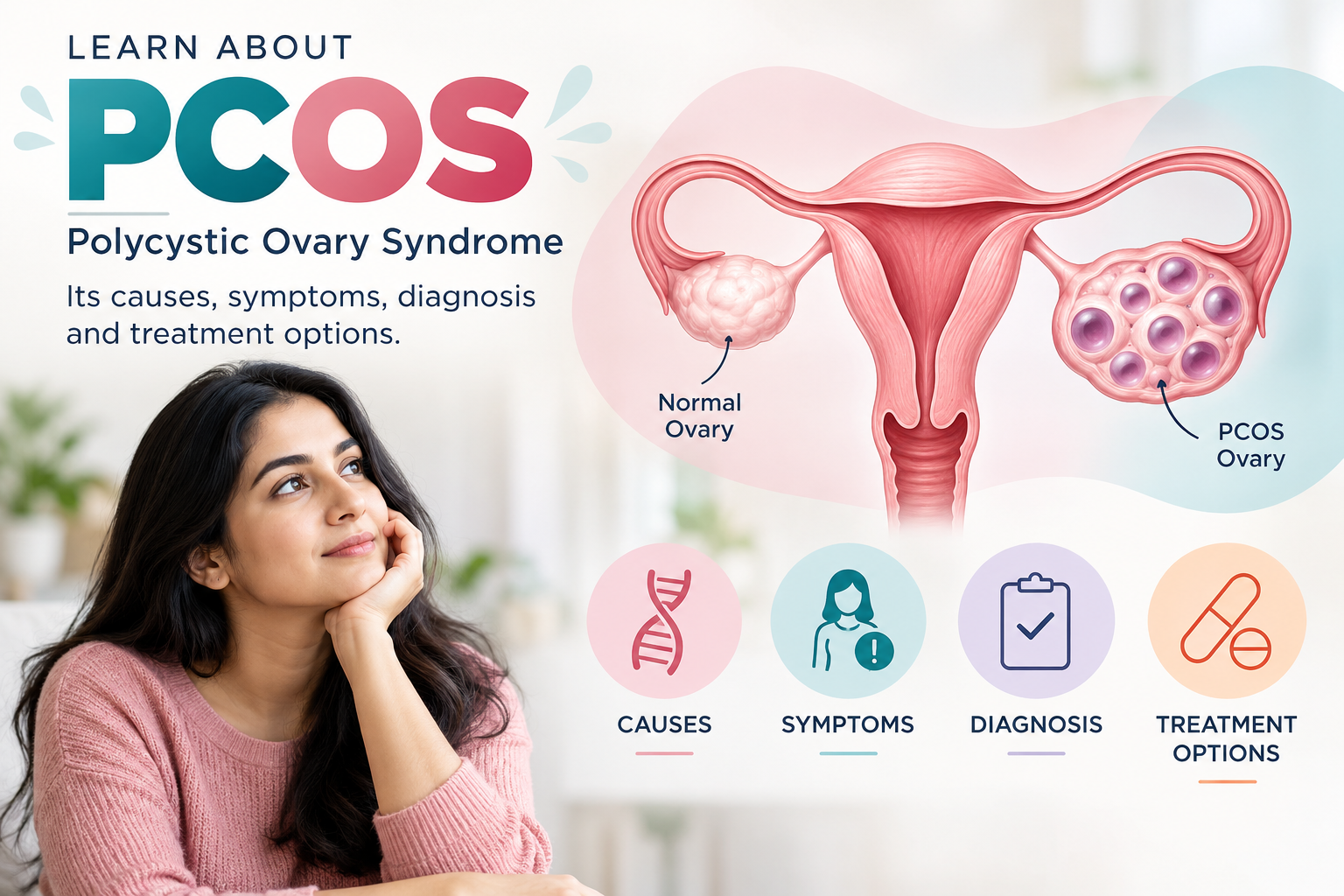
Polycystic Ovary Syndrome (PCOS) is a hormonal disorder that commonly affects women during their reproductive years. It is characterized by irregular menstrual cycles, excessive levels of androgens (male hormones), and polycystic ovaries. The condition can lead to a variety of symptoms and is a leading cause of infertility in women.
Causes of PCOS
The exact cause of PCOS remains unknown, but several factors contribute to its development. Genetics plays a significant role, as women with a family history of PCOS are more likely to develop the condition. Insulin resistance is another contributing factor; higher insulin levels can increase androgen production, leading to symptoms of PCOS. Additionally, inflammation in the body can exacerbate the condition.
Symptoms of PCOS
Common symptoms of PCOS include irregular periods, excessive hair growth on the face and body, acne, and thinning hair on the scalp. Women with PCOS may also experience weight gain and difficulty losing weight. Due to the hormonal imbalances, some women may face challenges with fertility.
When to See a Doctor
Women experiencing irregular menstrual cycles, difficulty conceiving, or symptoms like excessive hair growth or severe acne should consider consulting a healthcare professional. Early diagnosis and management can help mitigate the long-term effects and complications associated with PCOS.
Diagnosis of PCOS
Diagnosing PCOS typically involves a combination of medical history assessment, physical examination, and specific tests. Blood tests may be conducted to measure hormone levels, and an ultrasound may be used to examine the ovaries for the presence of cysts. A thorough evaluation helps in ruling out other conditions with similar symptoms.
Treatment Options for PCOS
Treatment for PCOS focuses on managing individual symptoms and may vary based on the woman's goals, such as managing symptoms or improving fertility. Lifestyle changes, including diet and exercise, are fundamental in managing PCOS. Medications like hormonal contraceptives can help regulate menstrual cycles, while anti-androgens can reduce symptoms like excessive hair growth. In some cases, fertility treatments may be recommended for those trying to conceive.
Prevention and Aftercare
While PCOS cannot be completely prevented, maintaining a healthy lifestyle can help manage symptoms and reduce the risk of complications. Regular exercise, a balanced diet, and weight management are crucial. Women with PCOS should have regular check-ups with their healthcare provider to monitor their health and adjust treatments as needed.
Clinic Location & Consultation Information
## Visit Borkar Multispeciality Hospital
WhatsApp: 7448094626
Email: neerajborkar12@gmail.com
FAQs: Clear Answers for Patients
Q1.What is the main cause of PCOS?
The exact cause of PCOS is unknown, but it is believed to involve genetic factors, insulin resistance, and inflammation.
Q2.Can PCOS affect fertility?
Yes, PCOS is a common cause of infertility due to hormonal imbalances affecting ovulation.
Q3.Is there a cure for PCOS?
There is no cure for PCOS, but symptoms can be managed with lifestyle changes and medical treatments.
Q4.How is PCOS diagnosed?
PCOS is diagnosed through medical history evaluation, physical exams, blood tests, and ultrasound imaging.
Q5.What lifestyle changes can help manage PCOS?
Regular exercise, a balanced diet, and maintaining a healthy weight can help manage PCOS symptoms.
Q6.Are there medications available for PCOS?
Yes, medications such as hormonal contraceptives and anti-androgens can help manage symptoms of PCOS.
Have a question for Dr. Neeraj Borkar?
Reach out and the clinic will get back to you.
Get in touch