
Back to ResourcesObstetrics & Gynaecology
Understanding Uterine Fibroids: Causes, Symptoms, and Treatment
Health education · AI-assisted
Dr. Neeraj Borkar•October 30, 2026•0 views
What Are Uterine Fibroids?
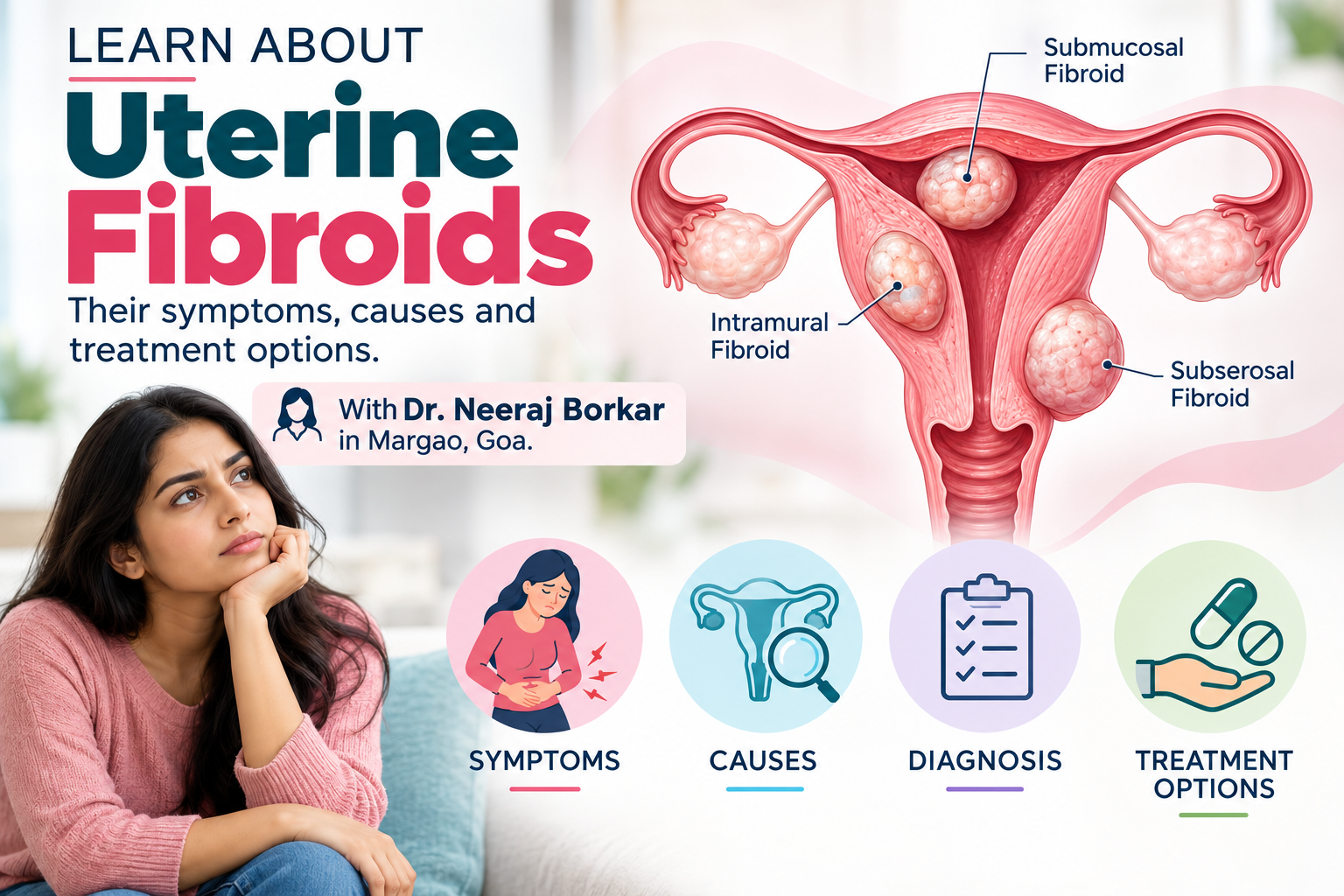
Uterine fibroids are non-cancerous growths that develop in or on the uterus. They are also known as leiomyomas or myomas. These growths vary in size and number, and while some women may have just one fibroid, others may have multiple. Fibroids are composed of muscle and fibrous tissue, and they can be as small as a seed or as large as a grapefruit. They often occur during the reproductive years and tend to shrink after menopause.
Causes of Uterine Fibroids
The exact cause of uterine fibroids is not fully understood, but several factors may contribute to their development. Hormones such as estrogen and progesterone, which stimulate the development of the uterine lining during each menstrual cycle, appear to promote the growth of fibroids. Genetic factors may also play a role, as fibroids tend to run in families. Other risk factors include obesity and early onset of menstruation.
Symptoms of Uterine Fibroids
Many women with uterine fibroids experience no symptoms and may not even be aware they have them. When symptoms do occur, they can include heavy menstrual bleeding, prolonged periods, pelvic pain or pressure, frequent urination, and difficulty emptying the bladder. Some women may also experience pain during intercourse or lower back pain. The severity of symptoms can vary depending on the size, location, and number of fibroids.
When to See a Doctor
It is important to consult a healthcare professional if you experience symptoms that disrupt your daily life, such as heavy menstrual bleeding, severe pelvic pain, or difficulty with urination. Regular check-ups with a gynecologist can help monitor any changes in fibroid size or symptoms. Early diagnosis and management can help reduce the impact of fibroids on your quality of life.
Diagnosing Uterine Fibroids
Diagnosis of uterine fibroids typically begins with a pelvic examination, where a healthcare provider may feel the presence of fibroids. Imaging tests such as ultrasound or magnetic resonance imaging (MRI) are used to confirm the diagnosis and assess the size and location of the fibroids. In some cases, additional tests like hysteroscopy or laparoscopy may be recommended for further evaluation.
Treatment Options for Uterine Fibroids
Treatment for uterine fibroids depends on the severity of symptoms, the size and location of the fibroids, and the patient's desire for future pregnancies. Options range from watchful waiting for asymptomatic cases to medication that can help shrink fibroids and manage symptoms. Surgical options include myomectomy, which removes the fibroids while preserving the uterus, or hysterectomy, which involves the removal of the uterus. Minimally invasive procedures, such as laparoscopic myomectomy, are available for suitable candidates.
Prevention and Aftercare
While there is no guaranteed way to prevent uterine fibroids, maintaining a healthy lifestyle may reduce the risk. A balanced diet, regular exercise, and managing stress levels can contribute to overall reproductive health. After treatment, regular follow-ups with a healthcare provider are important to monitor any recurrence of symptoms or fibroid growth. Patients are advised to discuss any concerns or new symptoms with their doctor to ensure appropriate management.
Clinic Location & Consultation Information
## Visit Borkar Multispeciality Hospital
WhatsApp: 7448094626
Email: neerajborkar12@gmail.com
FAQs: Clear Answers for Patients
Q1.What are uterine fibroids?
Uterine fibroids are benign tumors that grow in or on the uterus. They are made of muscle and fibrous tissue.
Q2.What symptoms do uterine fibroids cause?
Symptoms can include heavy menstrual bleeding, prolonged periods, pelvic pain, and frequent urination.
Q3.How are uterine fibroids diagnosed?
Diagnosis typically involves a pelvic exam and imaging tests like ultrasound or MRI to assess fibroid size and location.
Q4.What treatment options are available for uterine fibroids?
Treatment options include medication, minimally invasive procedures, and surgeries like myomectomy or hysterectomy.
Q5.Can uterine fibroids affect fertility?
Fibroids can affect fertility, depending on their size and location, but many women with fibroids can still conceive.
Q6.When should one consult a doctor about fibroids?
Consult a doctor if you experience severe symptoms such as heavy bleeding, significant pelvic pain, or difficulty urinating.